
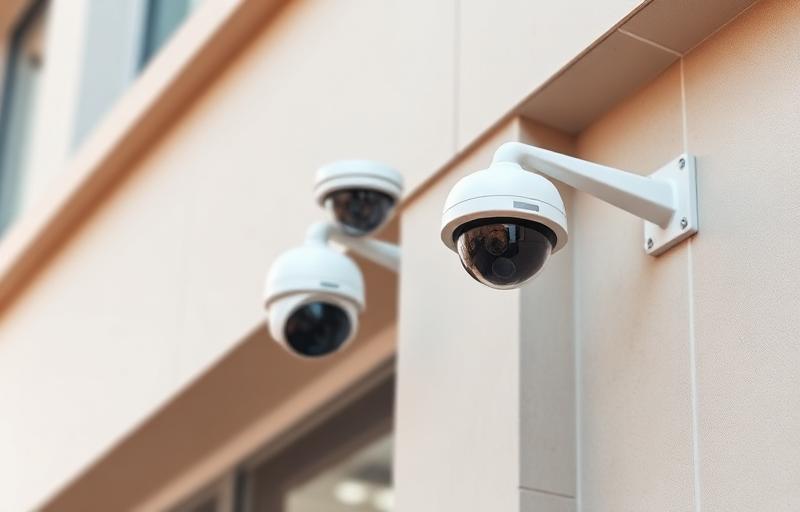
Who we cover: CCTV and video surveillance
Insurance for CCTV and video surveillance contractors.
IP cameras, NVRs, cloud video, remote monitoring. Video systems get judged after something happens, when someone goes looking for the footage. When it isn't there, or shouldn't have been recorded, the question becomes yours.
Where video surveillance risk actually sits.
Video work looks like installation. Most of the claims look like professional and cyber liability.
Footage that isn't there
A camera was aimed wrong, retention was set too short, or the NVR stopped recording weeks ago. After a theft or an injury, the customer says the system you designed and programmed didn't do its job. That's a professional liability claim, and many GL policies exclude it.
Recording what shouldn't be recorded
Audio, cameras pointed into restrooms or neighboring property, and hidden cameras raise wiretap and privacy questions. Rules differ by state, and the installer can be named alongside the owner.
Remote access to customer networks
IP cameras and cloud platforms sit on customer networks, often with your logins. A camera left on a default password, or a breach that starts with your remote access, becomes a cyber claim against you.
Analytics and face data
Some analytics and face matching features collect biometric data. A few states, Illinois first among them, let individuals sue over biometric data collected without consent, and system vendors have been named in those suits.
What a claim looks like.
Illustrative example
A contractor installs a 40-camera system at a distribution warehouse and sets up remote viewing for the owner. During a firmware update, the NVR's retention setting resets to a few days. Two weeks later, a forklift injures a worker, and the owner's attorney asks for the footage. It's gone.
The owner, facing a lawsuit without the video, claims the contractor's programming error cost them their defense. The contractor's GL carrier treats it as a professional services claim. The contractor's E&O form names installation but says nothing about programming or remote support.
Coverage built around video surveillance work.
- Professional liability / E&O
- Responds to claims that a system was designed, programmed, or supported incorrectly, including missing footage. Remote support and cloud services should be named.
- Cyber
- Breaches, ransomware, and privacy claims tied to cameras and platforms on customer networks, including claims from customers.
- General liability
- Bodily injury and property damage on job sites. We check it for professional services exclusions and how it treats privacy claims.
- Tools, equipment, and installation floater
- Cameras, NVRs, and cable on site or in transit until the owner accepts the job.
- Umbrella
- Commercial and public customers often require limits above the primary policy.
- Workers' compensation
- Camera installation often falls under the same alarm classification in many states. Lift and ladder work makes classification and safety programs matter.
- Commercial auto
- Service vans, plus hired and non-owned auto for techs who drive their own vehicles.
Contract language we read on video jobs.
- Purpose of the system. Whether the contract says what the video is for, such as deterrence or alarm verification, and what it doesn't promise, like capturing every event.
- Retention and storage. Who sets retention, who maintains the recorder or cloud plan, and who is responsible when footage is overwritten.
- Remote access and passwords. Who holds admin credentials, who changes defaults, and who applies firmware updates.
- Limitation of liability and waiver of subrogation. The same clauses that protect alarm contractors can protect video work, if they're in the version your customer signed.
- Insurance requirements. E&O and cyber limits, additional insured status, and primary and noncontributory wording, checked against your actual policies.
Questions contractors ask
Usually not. A claim that the system was designed or programmed wrong is professional liability, and many GL forms exclude professional services. E&O that names design, programming, and support is built for it.
If your cameras connect to a customer's network or the cloud, yes, in most cases. A breach that starts with a camera or your remote access can lead to claims from the customer and costs you have to cover yourself.
You can be named. Audio recording and camera placement are governed by federal and state privacy and wiretap laws that vary by state. A contract that puts placement and audio decisions on the customer, in writing, helps.
Only if the policy says so. Many E&O forms define covered services narrowly. We read the definition against every service you actually sell.
Related reading
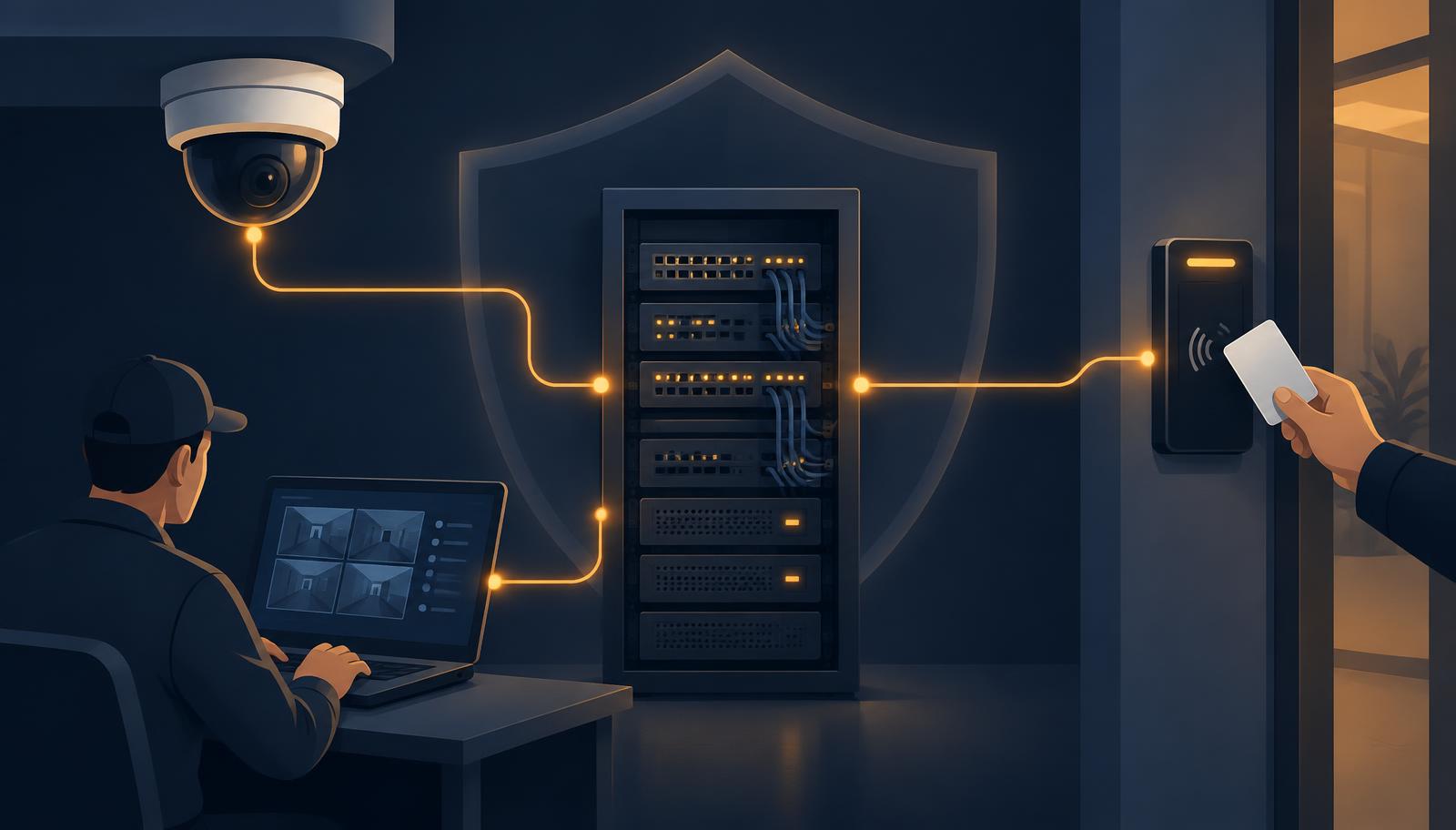 Coverage and claims
Cyber Insurance for Low-Voltage Contractors: Where Tech E&O and Cyber Liability Overlap
How customer networks, remote access, and connected systems create overlapping technology E&O and cyber exposures for low-voltage contractors.
7 minutes readRead article Coverage and claims
General Liability vs. E&O: What Actually Covers a Failed Low-Voltage System
How general liability and technology E&O respond to failed alarm, CCTV, access control, and cabling work, and where coverage gaps hide.
8 minutes readRead article Contracts and compliance
Certificates of Insurance and Contract Requirements: What Low-Voltage Contractors Need Before the Job Starts
What GCs and commercial customers are really asking for when they require a COI, additional insured status, specific endorsements, higher limits, E&O, cyber, and umbrella coverage.
10 minutes readRead article
Find out where your video program stands.
Book a Risk and Coverage Review. You'll get a one-page findings summary marking each item fits, thin, or gap, with what it takes to fix.